How Much Does It Cost to Build a Chicken Coop?
Building a chicken coop usually costs a few hundred dollars in materials for a small flock, and more as the coop gets bigger. The total swings with lumber and hardware prices, the coop's size, and how many extras you add.
On this page (9 sections)
- What is a realistic cost range to build a chicken coop?
- What materials do you need to price before you start?
- How does flock size change what you spend?
- How much do the extras and upgrades add?
- What does a secure run add to the total?
- Where can you save money without cutting safety?
- How does building compare with buying a ready-made coop?
- What should you budget for beyond the coop itself?
- So, what should you expect to spend?
Building a chicken coop usually costs a few hundred dollars in materials for a small flock, and more as the coop gets bigger. The total swings with lumber and hardware prices, the coop's size, and how many extras you add.
The honest answer to how much does it cost to build a chicken coop is that materials do most of the talking. Plans, tools and a secure run each push the number up or down, so it helps to see where the money actually goes.
What is a realistic cost range to build a chicken coop?
Expect a materials bill from roughly a couple hundred dollars for a tiny coop up to well over a thousand for a large walk-in build. Most backyard keepers land somewhere in the middle for a coop sized to 4 to 8 hens.
The range is wide because "build a coop" covers very different projects. A simple raised box with a small run is a weekend job.
A shed-style walk-in with a covered run, nest boxes and an automatic door is a bigger carpentry project with a matching bill.
Lumber prices move with the season and your region, so treat any figure as a rough starting point. The size of the footprint and the quality of the wire and hardware change the total more than paint or trim does.
If you only want to know how much are chicken coops when bought ready-made, the kit price often includes pre-cut panels and fasteners. Our guide to how much chicken coops cost covers that side of the decision.
What materials do you need to price before you start?
Price the frame, the floor and roof panels, the wire, and the hardware first, because those four groups carry most of the cost. Everything else is smaller.
Start with the lumber for the frame and the sheet goods for walls and floor. Then price roofing, which can be simple corrugated panels or a shingle roof that costs more and takes longer.
Wire mesh is easy to underestimate. Hardware cloth costs more than chicken wire, but it keeps out the predators chicken wire lets through.
Add hinges, latches, screws and a hasp to the list before you leave the store.
A few smaller items round out the build. Nest box material, roost bars, a feeder, a waterer and bedding all add to the total, though each is a modest cost next to the frame and wire.
How does flock size change what you spend?
Bigger flocks need more square footage, more nest boxes and a longer roost, so the materials bill climbs with every bird. The jump from 4 hens to 10 is a bigger cost step than most people expect.
Plan about 3 to 4 square feet of indoor floor space per bird and 8 to 10 square feet of run per bird. That means a 4 by 6 foot coop suits around 6 to 8 hens, while a 4 by 4 foot box fits 4 comfortably.
Each extra hen also needs roost length and nest box space. Nest boxes run about one per 3 to 4 hens, so a 10-bird flock wants 3 boxes rather than 1 or 2.
The run matters too. More birds mean more wire, more posts and more roofing if the run is covered.
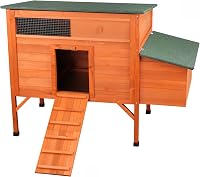
A large coop kit like the Magazoopet model shows how the size and features scale together.
How much do the extras and upgrades add?
Predator-proof wire, an automatic door and better nest boxes are the upgrades most worth pricing, and each adds a real amount to the build. Decide which ones you need before you buy the base materials.
Hardware cloth instead of chicken wire is the first upgrade to price. It costs more per foot, but it closes the gaps that let rats and snakes slip in.
Our guide on how to keep rats out of a chicken coop explains where the weak points usually are.
An automatic door saves daily trips at dawn and dusk. The JVR model runs on a timer, opens and closes on schedule and reverses when a hen is in the doorway.
It fits wood, metal and plastic coops.
Nest boxes are another place to spend or save. Building them from scrap is cheap, while a plastic set is a one-time buy that's easy to hose out.
The Rockever boxes are a plastic option with a removable roof for cleaning.
What does a secure run add to the total?
The run often costs as much as the coop itself, because it needs posts, wire and a roof to keep predators out. A covered run also protects the flock from rain and hawks.
Wire for the run is measured in linear feet around the perimeter plus the roof if you cover it. A 10 by 10 foot run needs about 40 feet of wire for the sides alone, and more for a roof.
Posts and a frame add lumber to the bill. A simple hoop-style run uses fewer posts than a square frame, which can trim the cost without weakening the structure.
Predator-proofing the run is where the money earns its keep. Burying wire along the base and using hardware cloth blocks digging predators.
For snakes, our guide on how to snake-proof a chicken coop covers the mesh size and the gaps to close.
Where can you save money without cutting safety?
Save on trim, paint and reclaimed lumber, and keep spending on wire, latches and the door. The safe parts of a coop are not the place to cut corners.
Reclaimed or scrap lumber is fine for roosts, nest box frames and non-structural trim. Check for rot and pests before you use it, and skip any board that's soft or split.
Skip decorative features like fancy cupolas or shaped trim. They raise the bill without helping the hens or keeping predators out.
Buy hardware cloth in bulk rolls rather than short pieces. The per-foot cost drops, and you'll have enough to patch gaps later.
Use a simple roof you can install yourself instead of paying for a roofer. A lean-to panel roof sheds rain and costs far less than a shingled pitch.
How does building compare with buying a ready-made coop?
Building usually costs less in materials but more in time, while a kit costs more upfront and arrives ready to assemble. The better choice depends on your tools, your schedule and how custom you want the coop.
A kit like the Magazoopet coop arrives with panels, nest boxes and a roof, so you mostly assemble rather than measure and cut. You trade some savings for speed and fewer mistakes.
Building lets you match the coop to your yard and your flock. You can size the run, choose the door and add nest boxes exactly where you want them.
If your time is short or your tools are limited, a kit often wins. If you enjoy carpentry and want a heavier frame, building is the better fit.
Either way, the extras below the base price are where budgets really move. Price the wire, the door and the nest boxes before you commit.
What should you budget for beyond the coop itself?
Add feeders, waterers, bedding and a heat or cooling plan to the total, because the coop alone doesn't keep hens comfortable. These supplies are modest but easy to forget.
Feeders and waterers are a one-time buy, and a hanging feeder keeps feed off the floor. Bedding for the floor and nest boxes is a recurring cost, so buy it in bulk if you can.
Summer heat is a real budget item in warm regions. Shade, airflow and cool water matter more than equipment.
Our guide on how to keep a chicken coop cool covers the low-cost fixes.
Nest box liners and cleaning supplies add a little each month. Budget for them the same way you would for feed.
A secure latch and good wire are already in the build cost. Don't double-count them when you total the extras.
So, what should you expect to spend?
Plan on a few hundred dollars for a small DIY coop and more as size and features grow, then set aside a little extra for wire, hardware and supplies. The final number depends on your flock, your region and how much you build yourself.
Start with the square footage your hens need, then price the frame, wire and door. The Magazoopet coop is the pick when you want a complete wooden house for 4 to 6 hens without cutting lumber.
The JVR door is the upgrade when mornings and evenings are the hardest part of keeping chickens. The Rockever nest boxes suit anyone adding a plastic, easy-clean laying area.
Whichever route you take, spend the most on the parts that keep predators out. That's where a coop build earns its cost back over the years.
For a wider look at coop options and prices, see how much chicken coops cost before you finalize your plan.
Frequently asked questions
Is it cheaper to build a chicken coop or buy one?
For a very small coop, buying a kit is often cheaper once you count hardware, fasteners and your time. Building wins when you want a custom size, a heavier frame or materials you already have, but the savings shrink as the coop gets more elaborate.
How many chickens fit in a coop you build yourself?
Plan about 3 to 4 square feet of indoor floor space per bird and at least 8 to 10 square feet of run per bird. A 4 by 6 foot coop gives you around 24 square feet, enough for roughly 6 to 8 hens if the run is generous.
Do I need a permit to build a chicken coop?
It depends on your town. Many places allow small backyard coops without a permit, while others set size limits or require a setback from property lines.
Call your local building office before you buy lumber so you know the rules.
What is the single biggest cost in a DIY coop build?
Lumber and sheet goods usually take the largest share, followed by hardware like hinges, latches, wire mesh and roofing. Predator-proof wire and a solid door cost more than thin mesh, but they cut the risk of losing birds.
Can I build a chicken coop on a budget?
Yes. Use reclaimed lumber where it is sound, keep the footprint small, and skip decorative trim.
Spend the savings on good wire and secure latches, because those protect the flock far more than paint or a fancy roof.
How long does it take to build a small coop?
A simple 4 by 4 or 4 by 6 foot coop often takes a weekend or two for someone with basic tools. A larger walk-in coop with a run can stretch to several weekends, especially if you need to level the ground first.