Do Chicken Coops Attract Flies?
Yes, chicken coops attract flies, mainly because of manure, wet litter, spilled feed and warm, still air. The coop itself isn't the cause: the droppings and damp bedding inside it are what pull flies in.
On this page (9 sections)
- Why do chicken coops attract so many flies?
- What inside a chicken coop attracts flies most?
- How does coop design affect fly numbers?
- How do you stop a chicken coop from attracting flies?
- Which coop features help most with flies?
- Where do flies breed around the coop and run?
- Do fly traps and sprays work in a chicken coop?
- How do you keep flies from getting worse in hot weather?
- What should you do first if flies are already bad?
Yes, chicken coops attract flies, and the reason is simple. Flies breed in moist manure, wet litter, spilled feed and stagnant water, so a coop that holds any of these becomes a fly nursery.
The coop structure itself isn't the draw.
What sits inside it is.
That is good news, because it means you can turn the problem down without buying much. Dry the coop, remove the droppings often and stop feed and water from spilling.
Do that and the fly population drops fast.
Why do chicken coops attract so many flies?
Flies come to a coop because it offers food, moisture and shelter in one place. Chicken droppings are wet and full of nutrients.
Warm bedding, feed scraps and puddles add more breeding spots.
House flies and blow flies lay eggs in damp organic matter within a day or two. The larvae feed there and pupate in soil or litter, then emerge as adults ready to lay again.
A coop with wet spots under the roosts can keep that cycle running all season.
Still, warm air makes it worse. A closed coop with poor airflow holds moisture in the litter and slows drying.
Flies settle where the air is calm and the surface is damp.
Location matters too. A coop near a compost pile, a full bin or standing water starts with a bigger fly population nearby.
Our guide to how much are chicken coops is a good place to start if you're planning a build and want to pick a spot with airflow and drainage in mind.
What inside a chicken coop attracts flies most?
Manure is the top attractant, followed by wet litter and spilled feed. Water is the multiplier: the wetter each of these stays, the more flies it raises.
- Droppings under the roost: hens spend the night there, so this is the densest manure in the coop.
- Damp litter: shavings or straw that soak up rain or spilled water never dry fully and host larvae.
- Feed spills: pellets and crumbles around the feeder draw flies and also mice.
- Standing water: a tipped drinker or a leaking roof edge gives flies a moist spot.
- Nesting box soil: a dirty nest with broken eggs or droppings keeps moisture close to the eggs.
Check these five spots when you do your next walk-through. If one is wet, that is where to start.
How does coop design affect fly numbers?
A coop with good ventilation and easy cleaning attracts far fewer flies than a sealed box with deep, damp litter. Design decides how fast the inside dries after rain or a spill.
A raised coop with a slatted or mesh floor lets droppings fall away from the birds and the bedding. A coop with a solid floor and a waterproof roof keeps rain out, but it needs vents and openable panels so moisture can escape.
Screened windows help here, since they move air without letting predators in.
Easy-clean features matter just as much. Pull-out trays and wide access doors let you remove waste without crawling inside, so cleaning actually happens.
A coop you dread cleaning is the one that breeds flies.
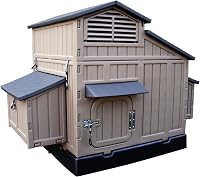
The MEDEHOO coop shows what this looks like in practice. It has extra-large sliding trays and five access doors, so waste comes out quickly.
Its screened windows keep air moving, and the asphalt roof and PVC covers keep rain off the litter. That combination is what keeps a coop drier.
How do you stop a chicken coop from attracting flies?
Remove the breeding material and keep the coop dry. That is the whole method, and everything else supports it.
- Scoop droppings from the floor and under the roosts every day or two. A small scoop and a lidded bucket make this a five-minute job.
- Replace wet litter as soon as you find it. Top up dry shavings instead of stirring wet ones into the bedding.
- Fix leaks. A drip from the roof or a split drinker keeps one patch permanently damp.
- Raise feeders and drinkers slightly so spills land on a tray, not the litter.
- Keep the run from turning to mud. Move a portable coop or add dry material where birds scratch.
- Store feed in sealed metal bins. Spilled feed and open bags pull flies and rodents alike.
Our guide to how to keep rats out of chicken coop covers the feed-storage side in more detail, since rodents and flies often show up together around spilled feed.
Which coop features help most with flies?
Ventilation, removable trays and a rainproof roof are the three features that cut fly pressure most. Each one attacks moisture at a different point.
The Magazoopet coop combines several of these in a smaller footprint for 4–6 hens. It has dual pull-out trays, front and rear, so you can clear waste from either side.
Its curved roof is weatherproof and opens for ventilation, and the roof and sliding windows let you adjust airflow. The lockable doors also help keep nighttime visitors out.
The Omlet Eglu Cube takes a different approach. Its smooth plastic surfaces wipe clean, and a slide-out droppings tray makes the daily job quick.
Omlet says the twin-wall insulation keeps it cool in summer and warm in winter, and the design has no wood grain for mites to hide in. Less absorbent material means less damp litter to attract flies.
A plastic coop dries faster than wood after a spill, which is a real advantage in humid weather. Wood costs less but needs more checking for soaked litter.
For a small flock, a chicken coop for 4 chickens is the size to compare first, since an oversized coop is harder to keep clean and dry.
Where do flies breed around the coop and run?
Flies breed in damp spots around the coop as much as inside it. The run, the area under a raised coop and nearby compost are common sources.
Check under the coop if it is raised. Droppings that fall through and collect on damp ground stay wet and keep breeding.
Rake it out and let the ground dry.
Look at the run after rain. A low corner that holds water and mud is a fly factory.
Add drainage or dry material, or move the run.
Compost and waste bins near the coop also draw flies. Keep bins lidded and set them away from the coop door.
If you compost manure, turn it often so it heats up and dries.
Finally, check the roof runoff. Water that pours off the coop onto the same patch of ground every storm keeps that patch wet all season.
Do fly traps and sprays work in a chicken coop?
Traps and sprays knock down adult flies, but they don't fix the source. Use them after you've dried the coop and removed manure, not instead of it.
Sticky traps and baited fly traps catch adults and reduce bites on the flock. Hang them away from feeders and nest boxes so birds don't catch themselves.
Empty or replace them often.
Sprays and powders need care around chickens. Follow the label, keep birds out of the treated area until it dries, and never spray feed or water containers.
Check with your vet before using any product on or near the birds.
Predators help too. Guinea fowl and some wild birds eat flies, but they come with their own coop and predator issues.
For most backyard flocks, cleaning is the reliable fix.
How do you keep flies from getting worse in hot weather?
Step up cleaning when it's hot and humid, because flies breed faster and litter dries slower. Small changes in routine make the biggest difference in summer.
Clean droppings more often in hot spells, and check the litter daily for damp patches. Keep the coop shaded in the afternoon so it stays cooler and drier inside.
Watch the drinker. Hens drink more in heat, so a leak or a tipped bowl wets more litter.
Set drinkers on a raised stand or a tray.
Keep the run from turning to mud after storms, and refresh dry bedding more often. Our guide to how to snake proof a chicken coop covers sealing gaps around the coop, which also helps block other pests that come for the same damp spots and spilled feed.
What should you do first if flies are already bad?
Clear the wet manure first, then dry the coop, then trap the adults. Start with the spot under the roost and any wet litter, because that's where the cycle starts.
Wear gloves and a mask, scoop the waste into a lidded bucket, and take it well away from the coop. Scrub the trays and floor with a coop-safe cleaner, then let everything dry before adding fresh litter.
If the flies are still heavy after a week of daily cleaning, look for a hidden source: a spilled feed bag, a leaking roof, or a wet patch under the coop. Fix that and the population usually falls quickly.
If hens seem ill or droopy, call a vet rather than relying on fly control alone.
Do chicken coops attract flies? Yes, but the flies are following the moisture and manure, not the coop itself.
Keep the litter dry, clear droppings often, and choose a coop with trays and airflow, and the flies lose their breeding ground.
Frequently asked questions
Does chicken poop attract flies?
Yes. Chicken droppings are moist and rich in nutrients, which is exactly what fly eggs and larvae need.
The wetter the pile and the longer it sits, the more flies it will raise.
Will a fly trap or spray solve a coop fly problem?
Only partly. Traps and sprays knock down adults, but the population keeps coming back while wet manure and litter remain.
Remove the breeding material first, then use traps to mop up the rest.
How often should I clean the coop to keep flies away?
Remove droppings from the floor and under the roosts daily or every few days. Do a full litter change and deep clean every few weeks, more often in hot or humid weather when flies breed fastest.
Are flies around chickens a health risk?
They can be. Flies move between manure and feed and water, so they can carry bacteria to hens.
They also stress birds and spread to your house.
Steady fly pressure is a sign to fix moisture and manure buildup.