9 Best Chicken Coop Door Openers (October 2026)
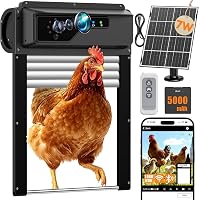
The best automatic chicken coop door openers include the Run-Chicken T50 Battery Door for app and timer control, the FarmLite Plug-In Coop Door Opener for sensor or timer flexibility, and the Omlet Automatic Coop Door for Omlet Eglu owners.
On this page (5 sections)
The Run-Chicken T50 Battery Door is the best chicken coop door opener for most coops, with app, timer and light-sensor control in a battery-powered setup. FarmLite is a strong alternative if you want timer or light-sensor control with an infrared motion sensor, while Omlet is a natural fit for compatible Omlet coops.
An automatic opener can take a daily chore off your schedule, but the right choice depends on the door you have and how you want to power it. Measure the opening and mounting area first, then compare the operating modes and safety features.
For sizing help, read how big a chicken coop door should be. If you're choosing a whole coop as well as a door, our backyard chicken coop guide covers setup, run and door considerations.
Our picks at a glance
-
1

-
2
 Best for sensor or timer flexibility
FarmLite Plug-In Coop Door Opener
8.9/10 our score
See it on Amazon -
3

- 4
 Best for lifting an existing doorCheck it
- 5
 Check it
JVR Aluminum Automatic Coop Door
Best for a timed aluminum door - 6
 Check it
Sun Energise Large Solar Coop Door
Best for solar and remote control - 7
 Check it
JUJOJB Solar Door with Light Sensor
Best for a solar door with alarm - 8
 Best for a low-roof coopCheck it
- 9
 Check it
Brinsea ChickSafe Advance Door
Best for an existing vertical door
How we chose chicken coop door openers
We compared each opener's power options, controls, safety features, stated dimensions and fit notes against the needs of a typical backyard flock. Our score weighs specs and features against what you're shopping for.
A door that fits your coop and can run on a power source you can maintain is a better choice than one with extra modes you won't use. Check whether each model replaces the door or lifts an existing one, since that changes the measurements and installation work.
The roundup includes battery, solar, plug-in and existing-door options. Brand claims about safety, weather resistance and performance describe the maker's stated features, so inspect your setup and follow the instructions for the model you choose.
Compare the best chicken coop door openers
The main differences are power, control style and whether each pick includes a door. Use the table to narrow the options, then check the product sections for fit details.
| Product | Best for | Power | Controls | Door | Our score |
|---|---|---|---|---|---|
| Run-Chicken T50 Battery Door | app and timer control | Rechargeable battery; 2 A batteries required | App, timer and light-sensor modes | Automatic coop door | 9.1 |
| FarmLite Plug-In Coop Door Opener | sensor or timer flexibility | Non-battery powered; 12V solar setup required for solar use | Timer or light sensor | 8.9 | |
| Omlet Automatic Coop Door | Omlet Eglu owners | 4 AA batteries; not included | Light sensor or timer | 8.6 | |
| ChickenGuard Door Opener | lifting an existing door | Options include solar, AA batteries or 9–12V DC cable | Timer, light sensor, dual-safe and manual | 8.4 | |
| JVR Aluminum Automatic Coop Door | a timed aluminum door | 12V DC; AC adapter included, solar battery option noted | Timer and manual override | 8.2 | |
| Sun Energise Large Solar Coop Door | solar and remote control | Timer, light, manual and remote modes | 7.9 | ||
| JUJOJB Solar Door with Light Sensor | a solar door with alarm | Timer, light sensor, manual buttons and remote | 7.8 | ||
| JUJOJB Solar Timer Coop Door | a low-roof coop | Solar, built-in battery or USB Type-C | Timer, light sensor, remote and manual | 7.5 | |
| Brinsea ChickSafe Advance Door | an existing vertical door | 4 AA batteries included | Programmable timer, light sensor and manual override | 7.3 |
Which automatic coop door fits your setup?
The best opener for your coop depends on its opening, the door's weight and your preferred schedule. These picks cover app control, solar power, existing doors and low-clearance layouts.
Run-Chicken T50 Battery Door: Best for app and timer control
- Battery powered
- App, timer and light-sensor modes
- Anti-pinch sensor
- Weatherproof aluminum
App, timer and light-sensor modes give you several ways to set the schedule. Its rechargeable battery and weatherproof aluminum door avoid a solar panel or power cable.
Pros
- App and timer control
- Light-sensor mode
- Anti-pinch sensor
Cons
- App control may be more than you need
- Check the opening dimensions against your coop
The Run-Chicken T50 is the most flexible pick if you want to control the schedule from an app or use the built-in timer and light sensor. Its rechargeable battery means you don't need a solar panel or cable for power.
The door is aluminum and weatherproof, and the opener has an anti-pinch sensor that is designed to stop closing when it detects an obstruction. RUN-CHICKEN says the battery can last up to 1 year in cold weather or 2 years in warm climates.
Mounting uses six screws, according to the product information. Check the door opening and mounting surface against your coop before ordering, and keep the door path clear.
Choose this if you want multiple control options in one battery-powered unit. If a Wi-Fi connected door is your main priority, compare the options in our best Wi-Fi chicken coop doors guide.
FarmLite Plug-In Coop Door Opener: Best for sensor or timer flexibility
- Timer or light-sensor control
- Infrared motion sensor
- Weather resistant
- Solar setup not included
Choose a timer or light-sensor schedule, with an infrared motion sensor intended to wait for birds before closing. The solar setup is not included, and solar use requires a 12V setup.
Pros
- Timer or light-sensor mode
- Infrared motion sensor
- Approximate rough-opening dimensions provided
Cons
- Solar setup is sold separately
- Confirm the power arrangement that suits your coop
FarmLite suits buyers who want to choose between a timer and a light sensor, with an infrared motion sensor as a closing safety feature. Its approximate rough opening is 10.5 in tall by 8.5 in wide, so use that measurement as a starting point for your coop.
This model is described as non-battery powered. FarmLite says a 12V solar setup is required to use solar power, and that setup is not included.
The motion sensor is intended to let birds enter before the door closes. Make sure the mounting and power arrangement work for your location, and read the setup instructions before relying on an automatic schedule.
Choose FarmLite if its sensor, schedule options and power plan suit your routine. If you prefer an opener that runs on batteries without a solar panel or cable, the T50 is a more direct match.
Omlet Automatic Coop Door: Best for Omlet Eglu owners
- Light-sensor or timer control
- Built-in safety sensors
- Battery powered
- Fits Eglu Cube and Eglu Pro
The Omlet door connects directly to the Eglu Cube and Eglu Pro, and can also fit wooden coops. Its battery power and light-sensor or timer controls suit owners who want an automatic schedule.
Pros
- Fits Eglu Cube and Eglu Pro
- Can fit wooden coops
- Built-in safety sensors
Cons
- Batteries are not included
- Check frame dimensions and mounting fit
Omlet's door is a clear choice for owners of the Eglu Cube or Eglu Pro, where it can attach directly. It also fits wooden coops, and its frame can be set to open left or right to suit the layout.
You can use a light sensor or timer, and built-in safety sensors are designed to detect a bird in the door's path. The unit runs on four AA batteries, which Omlet says last about six months; the batteries are not included.
The door frame measures 19.25 x 16.5 x 2.25 in. Measure the mounting area carefully, since the frame is larger than the walk-through opening on many basic coops.
Choose Omlet if the frame and fit work for your coop, especially an Eglu model. Read our Omlet automatic door review for a closer look at its setup and controls.
ChickenGuard Door Opener: Best for lifting an existing door
- PRO motor lifts doors up to 2 kg
- Timer, light-sensor, dual-safe and manual modes
- Solar, battery or DC power options
- LCD screen and setup wizard
The PRO motor is designed to lift an existing coop door weighing up to 2 kg. Its four operating modes and several power options make it a flexible choice, though the door itself is a separate option.
Pros
- Lifts an existing door up to 2 kg
- Four operating modes
- LCD screen and setup wizard
Cons
- Door is not included with the motor-only option
- Confirm the power option when choosing a configuration
ChickenGuard is worth considering if you already have a door and want a motor to lift it. The PRO motor is rated to lift up to 2 kg, and this option does not include a replacement door unless you choose a door kit.
Its four modes are timer, light sensor, dual-safe and manual. Power options include solar, AA batteries or a 9–12V DC cable, with the cable sold separately.
An LCD screen and setup wizard guide configuration. Check your door's weight and movement before choosing the motor, and confirm which configuration and power source you need.
Choose ChickenGuard when an existing door is in good condition and within the motor's capacity. If you need a new door included, compare complete-door options such as the JVR or Omlet.
JVR Aluminum Automatic Coop Door: Best for a timed aluminum door
- Timer and manual override
- Anti-pinch pressure sensor
- Aluminum door
- 11 x 12 in opening
This aluminum door has a programmable timer, manual override and pressure sensor. Its stated opening is 11 in wide by 12 in high, so measure your coop and birds before choosing it.
Pros
- Aluminum door with stated opening size
- Timer and manual override
- Pressure sensor
Cons
- Check the opening against your coop dimensions
- Operating temperature details vary across the product information
JVR combines an aluminum door with timer operation and a manual override. The stated opening is 11 in wide by 12 in high, which gives you a clear fit measurement to compare with the size of your birds.
A pressure sensor is designed to detect a bird in the doorway and reverse the door. The product information describes a 12V DC power supply, a timer and a manual button; it also notes a 12V solar battery option.
Measure the cutout and the space needed for the door's movement before buying. JVR's installation dimensions call for additional vertical space, so check the mounting area as well as the opening.
Choose this model if its opening and installation space fit your coop and you want a timed aluminum door. For a door that follows sunrise and sunset, consider a light-sensor model instead.
Sun Energise Large Solar Coop Door: Best for solar and remote control
- Solar panel and rechargeable batteries
- Timer, light, manual and remote modes
- Anti-pinch design
- Aluminum door
Solar charging, four control modes and a remote offer flexibility around the coop. Check the opening size and placement, since the remote range is stated for a clear path without obstacles.
Pros
- Solar charging with rechargeable batteries
- Remote control
- Anti-pinch design
Cons
- Solar panel needs suitable exposure
- Confirm opening dimensions before installation
Sun Energise is a solar-powered option with timer, light, manual and remote modes. The remote is described as working up to 50 m when there are no obstacles between it and the door.
Its anti-pinch design is intended to reverse the door if it touches a chicken while closing. The aluminum door is described as working from -15°F to 140°F, and the product dimensions are 11.5 x 3 x 13.5 in.
Before choosing it, confirm the opening dimensions and whether the solar panel will get suitable light where your coop sits. A remote can help with occasional adjustments, but the daily schedule should still match your flock's routine.
Choose Sun Energise if you want solar charging and remote operation. If you want a horizontal door for a space with limited overhead clearance, the JUJOJB horizontal model below is a closer fit.
JUJOJB Solar Door with Light Sensor: Best for a solar door with alarm
- Solar panel and rechargeable battery
- Timer or light-sensor mode
- Anti-pinch feature
- Remote control and alarm
This solar door combines timer or light-sensor scheduling with a remote and a described alarm and flashing-light feature. Its 9.5 x 10 in opening gives you a specific measurement to compare with your flock.
Pros
- Timer and light-sensor modes
- Remote control
- Stated opening dimensions
Cons
- Check whether the alarm feature suits your coop setting
- Confirm the opening is large enough for your birds
This JUJOJB door combines solar charging with timer or light-sensor scheduling, plus manual buttons and a remote. Its 9.5 x 10 in opening is a useful point of comparison for birds that need more room than a smaller pop door provides.
The product description also includes a flashing light and audible alarm, and says the alarm can respond to a detected predator or a door problem. Consider how that feature would affect your coop location and nearby households.
The remote is described as working up to 65 ft. Measure the opening and check the setup instructions, especially if your cutout is not square.
Choose it if solar power, remote operation and an alarm feature suit your coop. For a horizontal sliding door that needs less overhead clearance, compare the other JUJOJB option.
JUJOJB Solar Timer Coop Door: Best for a low-roof coop
- Horizontal dual-door design
- Solar, battery and USB power options
- Timer, light-sensor, remote and manual modes
- 11.6 x 8.6 in opening
The horizontal sliding door is designed for coops with limited overhead clearance. Its 11.6 x 8.6 in opening and several power and control options are useful details to compare with your setup.
Pros
- Horizontal design suits low-roof spaces
- Several control modes
- Solar, battery and USB power options
Cons
- Measure the opening and wall space
- Confirm installation guidance for your coop
The JUJOJB Solar Timer Coop Door uses a horizontal dual-door design intended for coops with low roofs or limited overhead space. Its opening measures 11.6 x 8.6 in, so compare that with your birds and the wall area available.
It offers timer, light-sensor, remote and manual modes. The door can use solar power, its built-in battery or USB Type-C, giving you another charging option when sunlight is limited.
The product information describes an anti-pinch response and a horizontal sliding mechanism. Check the mounting surface and confirm the dimensions before cutting or fitting the coop wall.
Choose this design when vertical clearance is tight and the opening fits your flock. For an existing vertical door that you want to automate, the Brinsea opener may be more suitable.
Brinsea ChickSafe Advance Door: Best for an existing vertical door
- Opener for an existing vertical sliding or hinged door
- Timer and light sensor
- Manual override
- Lifts doors up to 8 lb
The ChickSafe Advance automates an existing vertical sliding or hinged door rather than replacing it. It uses a light sensor or programmable timer and can lift a door weighing up to 8 lb.
Pros
- Works with an existing vertical sliding or hinged door
- Manual override
- Batteries included
Cons
- Requires a compatible existing door
- Check the door weight before choosing
Brinsea's ChickSafe Advance automates an existing vertical sliding or hinged door, so you can keep the door you already have. It uses four AA batteries and can lift a door weighing up to 8 lb.
The controls include a programmable timer, light sensor and manual override. Brinsea also describes a feature that can delay morning opening on two selected days, which may help if you want a different weekend schedule.
The opener is designed to stop if a chicken obstructs the door. Check that your existing door moves freely and weighs within the stated lift capacity before you install the unit.
Choose Brinsea if your current door is compatible and you want to automate it without replacing it. If you're fitting a new automatic door, compare its opening and frame dimensions with the complete-door models above.
What should you check before buying a coop door opener?
Measure the opening, mounting space and door weight before you choose an opener. Those checks help you rule out a model that cannot fit or lift your current door.
How do you measure for an automatic chicken coop door opener?
Measure the clear width and height of the opening, then compare them with the door's stated opening or frame size. Also measure the wall area and overhead clearance needed for mounting and movement.
For openers that lift an existing door, weigh it if possible and compare it with the maker's stated capacity. Our guide to installing an automatic chicken coop door walks through the mounting process.
Is a complete door or an opener-only unit better?
A complete door is simpler if you're replacing the coop entrance, while an opener-only unit can suit a compatible door you already own. ChickenGuard and Brinsea are examples of openers that can automate an existing door.
Check whether the door is included for the exact configuration you plan to buy. Also check the door's movement, weight and mounting needs before you decide.
Should you use a timer or light sensor?
A timer gives you fixed opening and closing times, while a light sensor follows daylight. Choose a timer if you need a consistent schedule, or a sensor if you want the door to respond to changing sunrise and sunset.
Some models offer both, so you can adjust the schedule as seasons change. Read our guide to chicken coop door size as part of your fit check.
What safety features matter?
Look for a feature that responds when a bird is in the door's path, such as an obstruction sensor or a stop-and-reverse response. The exact feature varies, so check how the specific model behaves during closing.
Keep the track and doorway clear of bedding and debris, and check operation regularly. An automatic schedule cannot tell you whether the door is blocked or the coop is secure.
Which chicken coop door opener should you choose?
Choose the Run-Chicken T50 if you want app, timer and light-sensor control with battery power. FarmLite fits buyers who want timer or light-sensor scheduling with an infrared motion sensor, while Omlet is a practical choice for compatible Eglu or wooden coops.
For an existing door, compare ChickenGuard's 2 kg PRO capacity with Brinsea's 8 lb capacity and your door's weight. If overhead space is limited, the horizontal JUJOJB door is the one to measure first.
Before you settle on a model, confirm the opening, mounting space, power source and schedule. Then follow the opener's instructions and check that the door moves freely.
Our top 3 picks at a glance
-
1
-
2
Best for sensor or timer flexibility
FarmLite Plug-In Coop Door Opener
8.9/10 our score
See it on Amazon -
3
Frequently asked questions
Are automatic chicken coop doors worth considering?
An automatic door can open and close your coop on a timer or in response to light, reducing the need to handle that routine yourself. It still needs a suitable fit, working power and regular checks.
Keep a manual way to operate the door available, and check that it moves freely.
Should I choose a timer or light sensor?
A timer lets you set specific opening and closing times, while a light sensor follows changes in daylight. Some openers offer both, so you can choose based on your routine and the light around your coop.
Check the controls and schedule options before you buy.
How do I know if a door opener fits my coop?
Measure the opening, available mounting space and the door's weight if you are automating an existing door. Compare those measurements with the opener's stated opening or lift capacity.
For a step-by-step approach, see our guide to installing an automatic chicken coop door.
Do automatic coop doors need a safety feature?
A sensor or other obstruction response can help prevent a door from closing on a bird, but features differ by model. Read how the chosen opener responds during closing and check the door's path for bedding, debris or other obstacles.
A safety feature does not replace checking that the door works correctly.